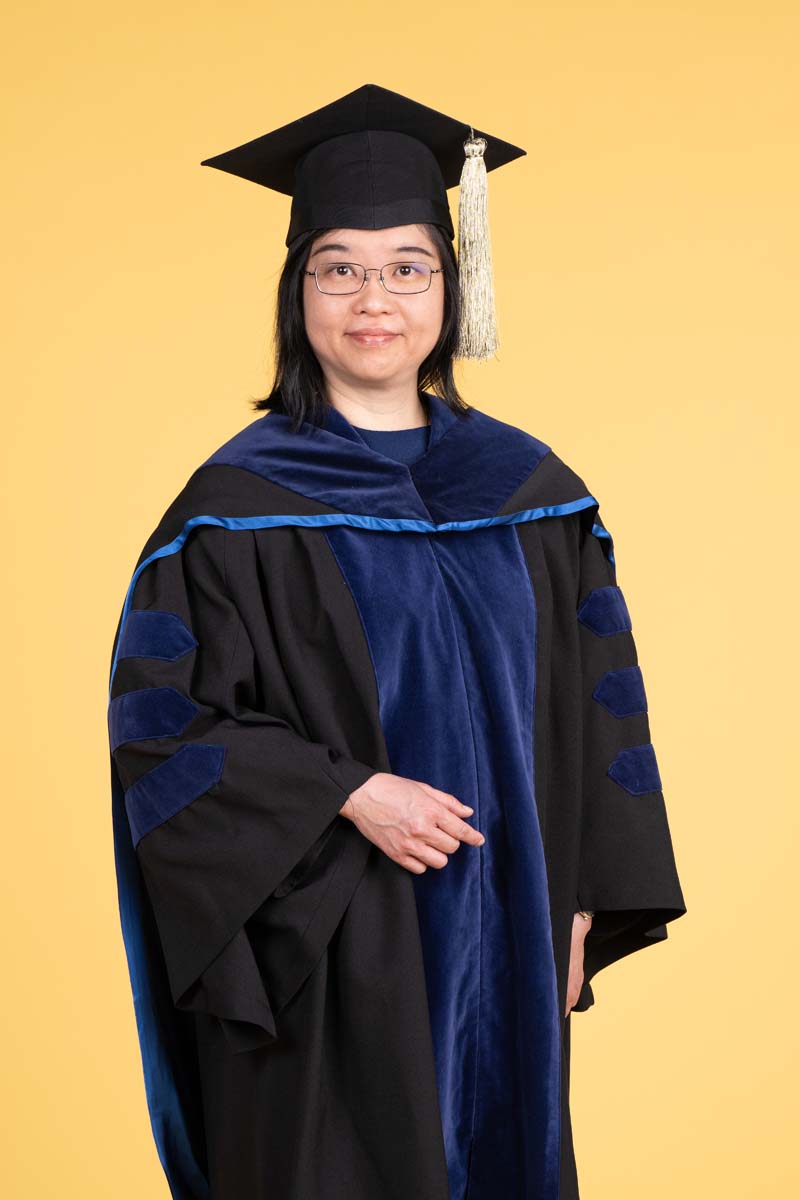
Tracing the route to effective weight loss
Professor Anna Kwan Hiu Yee
Vincent V.C. Woo Endowed Associate Professor in Chinese Medicine
Obesity is a global issue that is becoming increasingly severe. This makes it imperative to raise public awareness of the need for weight management. According to the World Health Organization, approximately one in eight people is classified as obese. To address this challenge, Professor Anna Kwan Hiu Yee, Director of Teaching and Research Division of the School of Chinese Medicine (SCM) at Hong Kong Baptist University (HKBU), is integrating the traditional wisdom of Chinese medicine, known as “food and medicine homology”, with modern biomedical science. Her work uses precision-targeting technologies to pioneer new approaches to weight management along with the prevention and treatment of metabolic diseases. In 2025, Professor Kwan was appointed as the Vincent V.C. Woo Endowed Associate Professor in Chinese Medicine, further supporting her academic development. This interview explores how her research offers innovative solutions to the global obesity crisis, contributing to health management not only in Hong Kong but far beyond.
From biomedical science to integrative Chinese-Western medicine research
Professor Kwan’s research journey began in the field of biomedical science. She received her Doctorate Degree in Physiology from The Chinese University of Hong Kong and completed her post-doctoral training in the Department of Nutritional Sciences and Toxicology at the University of California, Berkeley. Her mentor at that time was a scholar specialising in obesity research, which sparked her strong interest in this condition early in her career. Since joining the SCM at HKBU in 2010, Professor Kwan has discovered that Traditional Chinese Medicine (TCM) offers a fresh perspective on obesity research. She recognised that the TCM concept of “food and medicine homology” aligns closely with modern nutritional science, thereby providing a natural and non-toxic approach to addressing the problem.
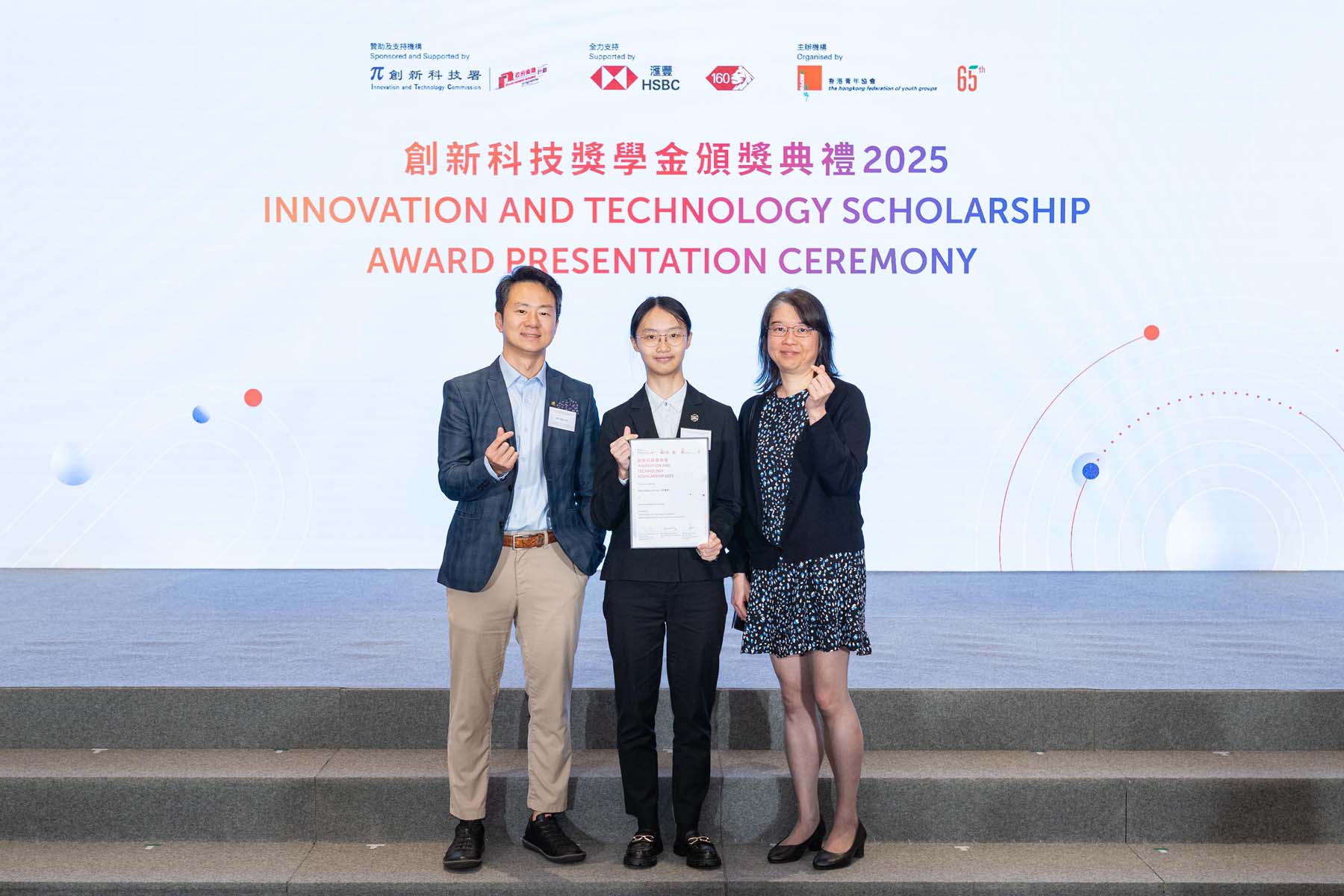
Over the years, Professor Kwan has continued to conduct in-depth research into obesity and its related comorbidities. She has published more than 120 peer-reviewed publications and made remarkable achievements in translational research spanning multiple fields, including obesity, oncology, nutrition, and vascular biology. Her work has been highly regarded and recognised by the academic community. In 2019, she received the HKBU School Performance Award for Young Researcher. In 2020, she was awarded the Second Prize of the Chinese Medical Science and Technology Award. Furthermore, she was named by Stanford University as being among the World’s Top 2% Scientists in both 2024 and 2025. These honors fully demonstrate the significant impact she has made on the global academic community.
Addressing the root causes of obesity
The driving force behind Professor Kwan’s research is a simple yet profound question: “Why do people gain body fat?” She emphasises that obesity is a disease, far more than just an issue of appearance. It substantially increases the risk of developing the “three highs”, namely diabetes (high blood glucose level, high blood pressure and high cholesterol), along with stroke and several common cancers. This, of course, places a heavy burden on individuals’ physical and mental health, as well as on society and the healthcare system. In fact, as revealed in the 2020-2022 survey conducted by the Department of Health, more than half of Hong Kong adults are overweight or obese. Underscoring the urgency of the issue, this year, the HKSAR Government launched Hong Kong’s inaugural Action Plan on Weight Management, in response to the national “Weight Management Year” initiative.
Drawing on her strong academic foundation in biomedical science and nutritional science, Professor Kwan is dedicated to unraveling the root causes of obesity. She explains, “Obesity results from excess accumulation of fat cells, including the enlargement of fat cells, an abnormal increase in their number, as well as hormonal and brain signals that change body metabolism and appetite.” To develop innovative therapeutic strategies, she pursues research primarily in two directions. First, she investigates new mechanisms of the disease progression to inform more effective interventions. Second, she addresses the core problem of excess fat tissues, and identifies Chinese herbal extracts and compounds with anti-obesity potential, while investigating advanced exosome-based delivery systems to enhance therapeutic efficacy.


Integrating the essence of ‘Food as Medicine’ to pioneer new anti-obesity therapies
Although Professor Kwan is not trained in traditional Chinese medicine, she applies the classical concept of “medicine-food homology” to the challenge of weight management. “My approach involves screening active compounds from everyday foods and medicinal herbs, identifying their molecular targets, and analysing how the signaling pathways affect cells, organs, and ultimately the whole-body physiology,” she explained. “We investigate whether these compounds can regulate the number and size of fat cells, or more effectively modulate metabolism and hormones.” As a spice enthusiast, Professor Kwan has also studied common spices such as Sichuan pepper and cinnamon, finding that their active components possess promising anti-obesity potential. As these compounds originate from daily dietary ingredients, if they can be developed into health supplements, they will be more readily accepted by the public.
In addition, the team is exploring other anti-obesity strategies, including investigating novel strategies to convert white fat into brown fat. Professor Kwan states that the focus of her research is to identify herbal active compounds capable of achieving effects comparable to or even better than conventional medicines through natural means.

Introducing cutting-edge technology to accelerate discovery
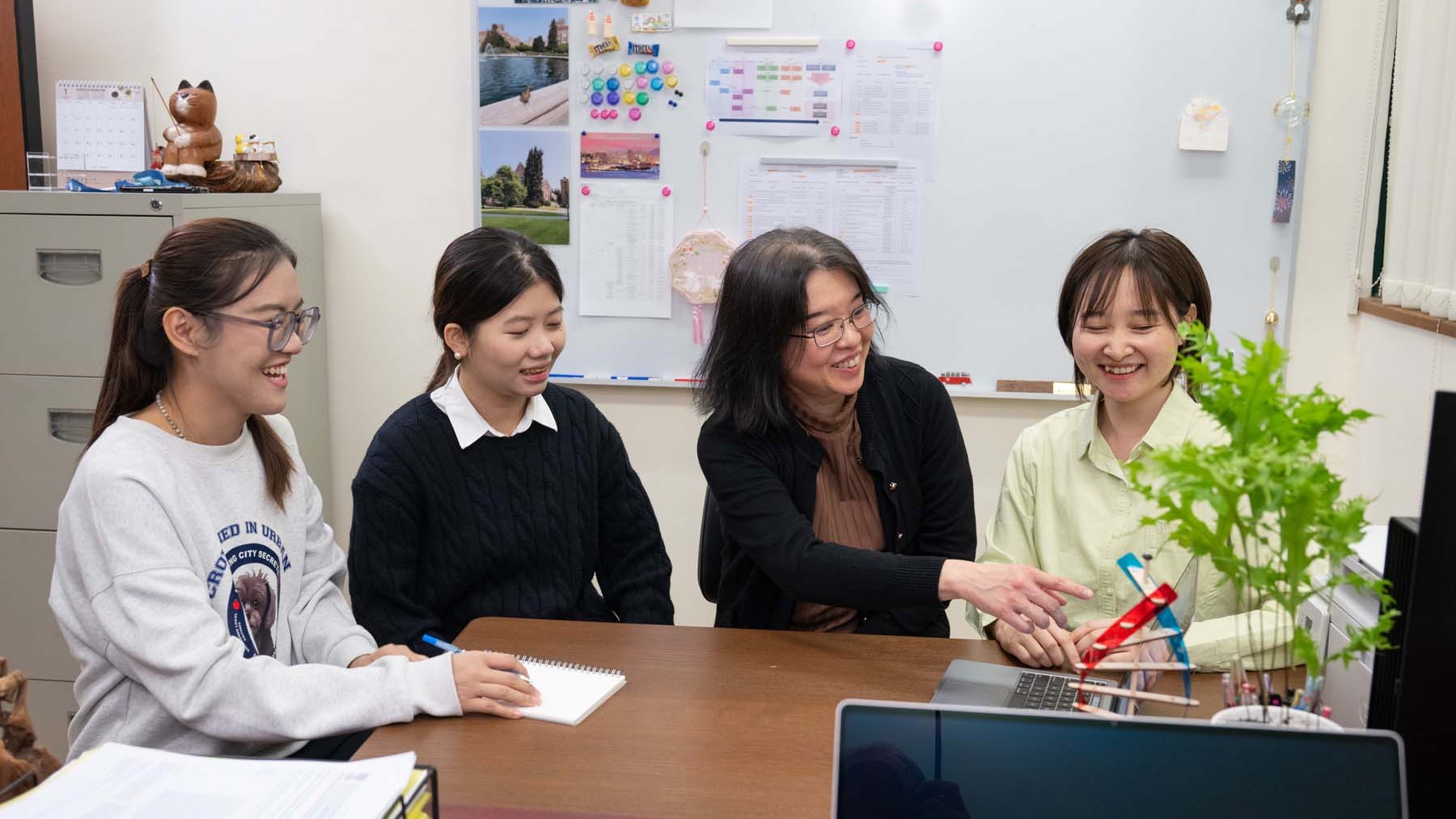
Given the vast variety of Chinese herbal medicines, Professor Kwan has integrated artificial intelligence (AI) and bioinformatics tools to accelerate research. She collaborates with interdisciplinary experts from the Department of Mathematics, Computer Science, Chemistry and Physics. By utilising mathematical models to optimise analytical workflows, the team aims to enhance research efficiency. Additionally, they also predict potential biological targets from databases based on compound structures, thereby shortening the preliminary screening phase and allowing the team to focus on experimental validation.
Unveiling the great potential of exosomes for targeted delivery
In addition to identifying bioactive compounds, Professor Kwan’s team actively explores the application of exosomes as a targeted delivery system. Exosomes are nanoscale vesicles released by cells that can be engineered to deliver the therapeutic cargo to target cells, such as fat cells, thereby enhancing therapeutic efficacy. “Compared with traditional oral or injectable medications, the exosome-based delivery system derived from a patient’s own cells may reduce the risk of immune rejection, enhance safety, and minimise side effects,” she states. Professor Kwan hopes that this approach will yield revolutionary treatment options for obesity and its associated comorbidities.

Encouraging students to cultivate diverse thinking
As Director of Teaching and Research Division of SCM, Professor Kwan has a vision that extends far beyond scientific research; she is deeply committed to nurturing the next generation of TCM professionals. With more than a decade of teaching at HKBU, she regularly incorporates real-world cases into her classes. For example, she uses multi-omics technologies to analyse the metabolic pathways and mechanisms of action of Chinese medicines in the human body, validating the efficacy of TCM from a modern scientific perspective. This approach helps students better understand the connection between biomedicine and Chinese medicine, encouraging them to study from multiple angles and develop a comprehensive, holistic perspective. “It is deeply rewarding to see students enjoying the classes, to help them overcome academic or personal challenges and to witness their growth,” she says.
Leveraging endowment support to advance research
Professor Kwan’s appointment as the Vincent V.C. Woo Endowed Associate Professor in Chinese Medicine is a recognition by HKBU of her scientific achievements and contributions, and is made possible by the generous support of the Vincent and Lily Woo Foundation. Professor Kwan expresses her heartfelt gratitude to the Foundation for its support. She highlights, “The Foundation not only funds education and research, but also promotes the development and internationalisation of the Chinese Medicine, further enhancing its standing in the modern medical community. This support gives us flexibility to test preliminary ideas, pursue innovative experiments, and advance our research.”
Looking ahead, Professor Kwan will continue to foster interdisciplinary collaboration, cultivate the next generation of research talents, and strive for new heights in research, teaching, and translational applications, writing a new chapter in addressing global obesity and related health risks.
*This interview was published in May 2026.
Professor Anna Kwan Hiu Yee
- Director and Associate Professor, Teaching and Research Division, School of Chinese Medicine, HKBU
- Vincent V.C. Woo Endowed Associate Professor in Chinese Medicine, HKBU
- World’s Top 2% Scientists (2024–2025), Stanford University
- School Performance Award in Individual Teaching, HKBU (2023)
- Second Prize, Chinese Medical Science and Technology Award, The Hong Kong Chinese Medical Association (2020)
- School Performance Award for Young Researcher, HKBU (2019)
- Authored more than 120 publications in highly respected international journals (as of December 2025)