Exploring the magical power of plants
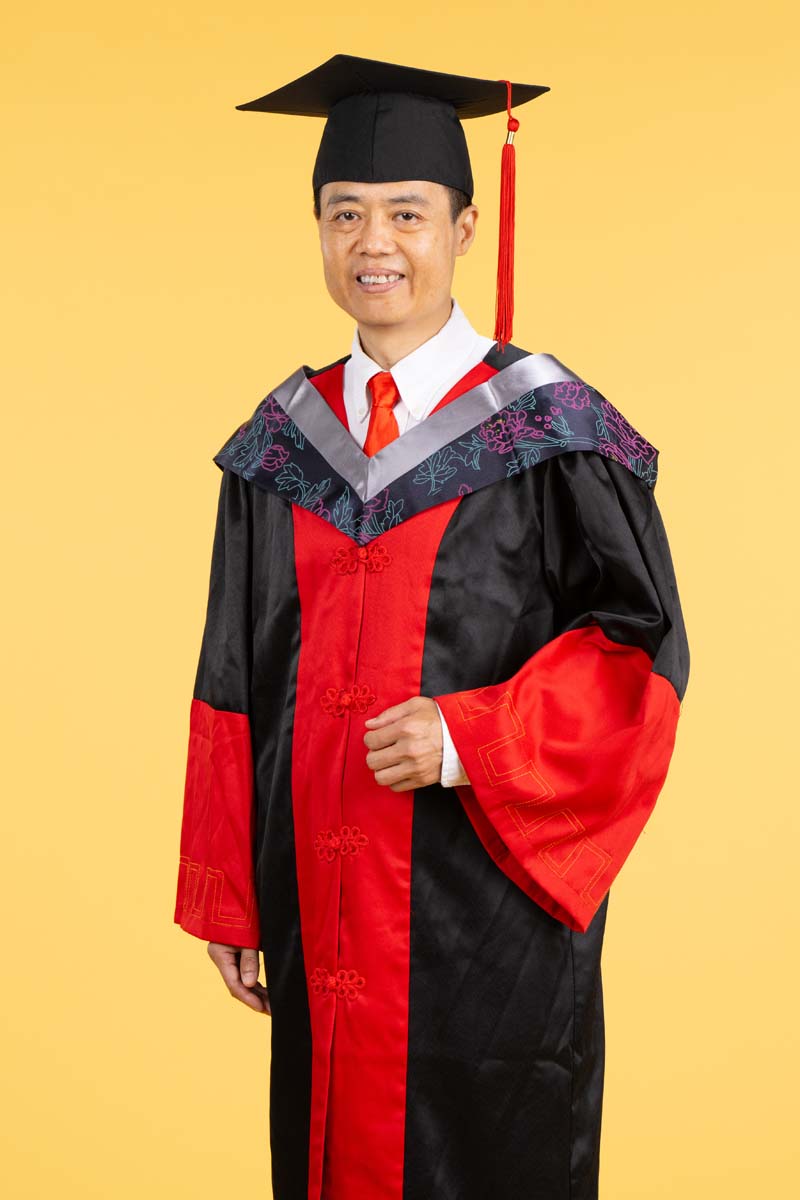
Professor Zhang Hongjie
Cheung On Tak Endowed Professor in Chinese Medicine
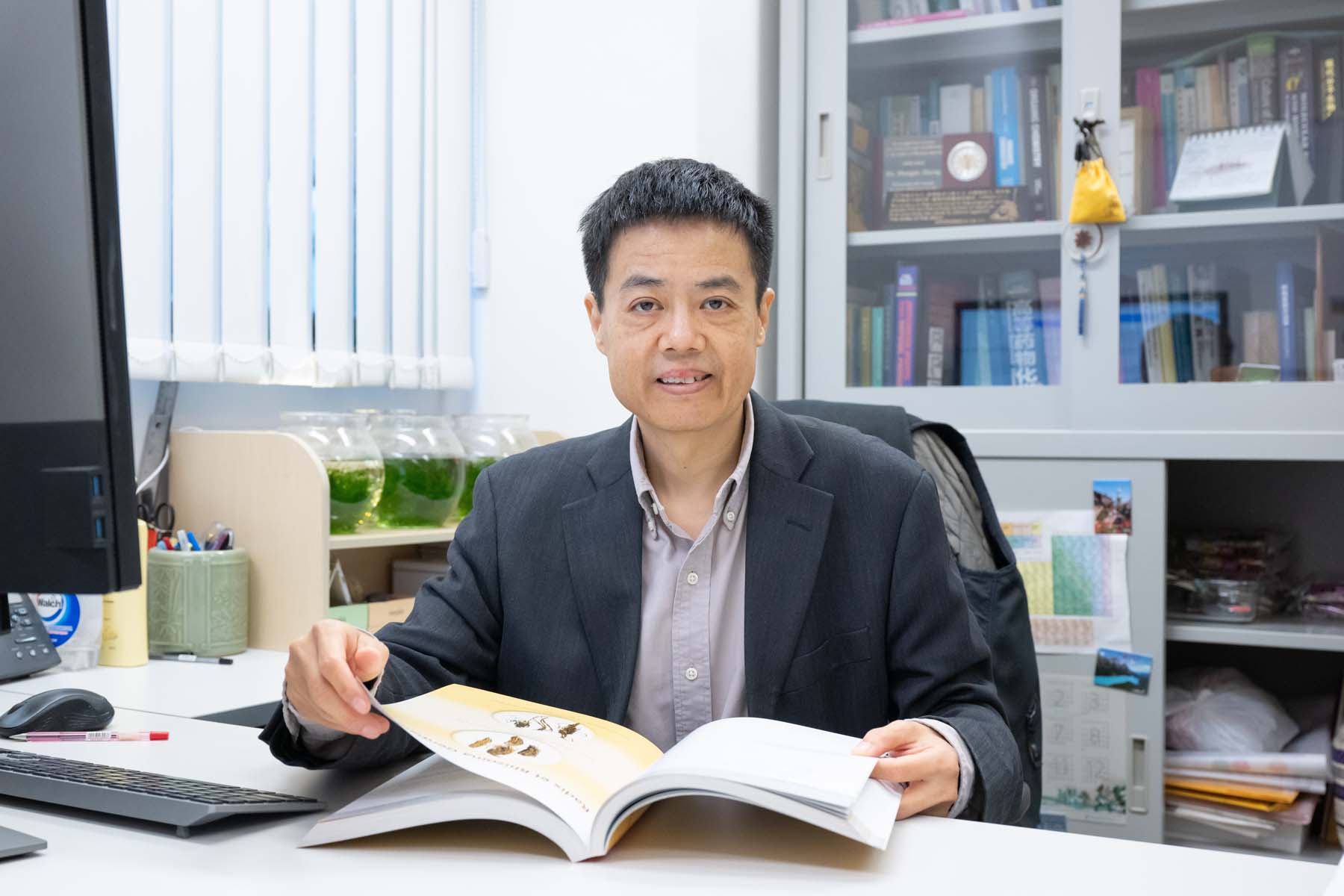
“Phytochemistry may be the key to modernising traditional Chinese medicine and integrating it into contemporary medical practice. This branch of study allows us to identify the chemical components of medicinal plants, opening the door to breakthroughs in this ancient practice and unveiling scientific mechanisms behind their efficacy. We can then delve into the mystery of traditional Chinese medicine,” said Professor Zhang Hongjie when describing the significance of phytochemistry to the development of traditional Chinese medicine. Professor Zhang is Associate Dean (Teaching and Learning) of Chinese Medicine at Hong Kong Baptist University (HKBU).
A renowned figure in the field of natural medicinal chemistry, Professor Zhang and his team have discovered more than 500 novel molecules and conducted bioactivity evaluations for over 5,000 plant extracts. His work has provided a solid foundation for discovering drugs in natural resources. In his career, he has secured more than 40 patents related to anticancer, antiviral, and skincare fields, some of which have been successfully commercialised. In 2024, Professor Zhang was appointed as the Cheung On Tak Endowed Professor in Chinese Medicine. This not only recognises his exceptional achievements but will also further help in the translation of research outcomes into modern scientific applications.
Fostering medicinal and other applications of natural substances
Professor Zhang’s academic journey started in Yunnan, renowned as the “Plant Kingdom” in southwestern China. After coming across phytochemistry in his final undergraduate year at Yunnan University, his interest was very soon drawn to the discipline. An unexplainably close bond was formed, such that he has remained in the field for more than 40 years. After receiving his Doctoral degree from the Kunming Institute of Botany of the Chinese Academy of Sciences, he carried out his post-doctoral research at the University of Illinois Chicago’s College of Pharmacy. According to Professor Zhang, phytochemistry is the study of natural compounds in plants, which is closely related to organic chemistry and drug discovery. Today, at least one-third of clinically used medicines originate from plants. A prime example is aspirin, a widely used painkiller and anti-inflammatory drug, whose active ingredient was originally derived from willow bark — a natural remedy employed by both ancient Greek and Egyptian civilisations. Similarly remarkable is the discovery of artemisinin, an antimalarial compound sourced from sweet wormwood (Artemisia annua) by Professor Tu Youyou, China’s first Nobel Laureate in Physiology or Medicine. Her groundbreaking work was inspired by an ancient Chinese text written by Ge Hong, which described a specific method of preparing Artemisia annua to treat malaria-induced fevers. This Nobel-winning achievement not only marked a significant milestone in the global recognition of traditional Chinese medicine, but also powerfully demonstrated the immense scientific value inherent in Chinese medicinal herbs.
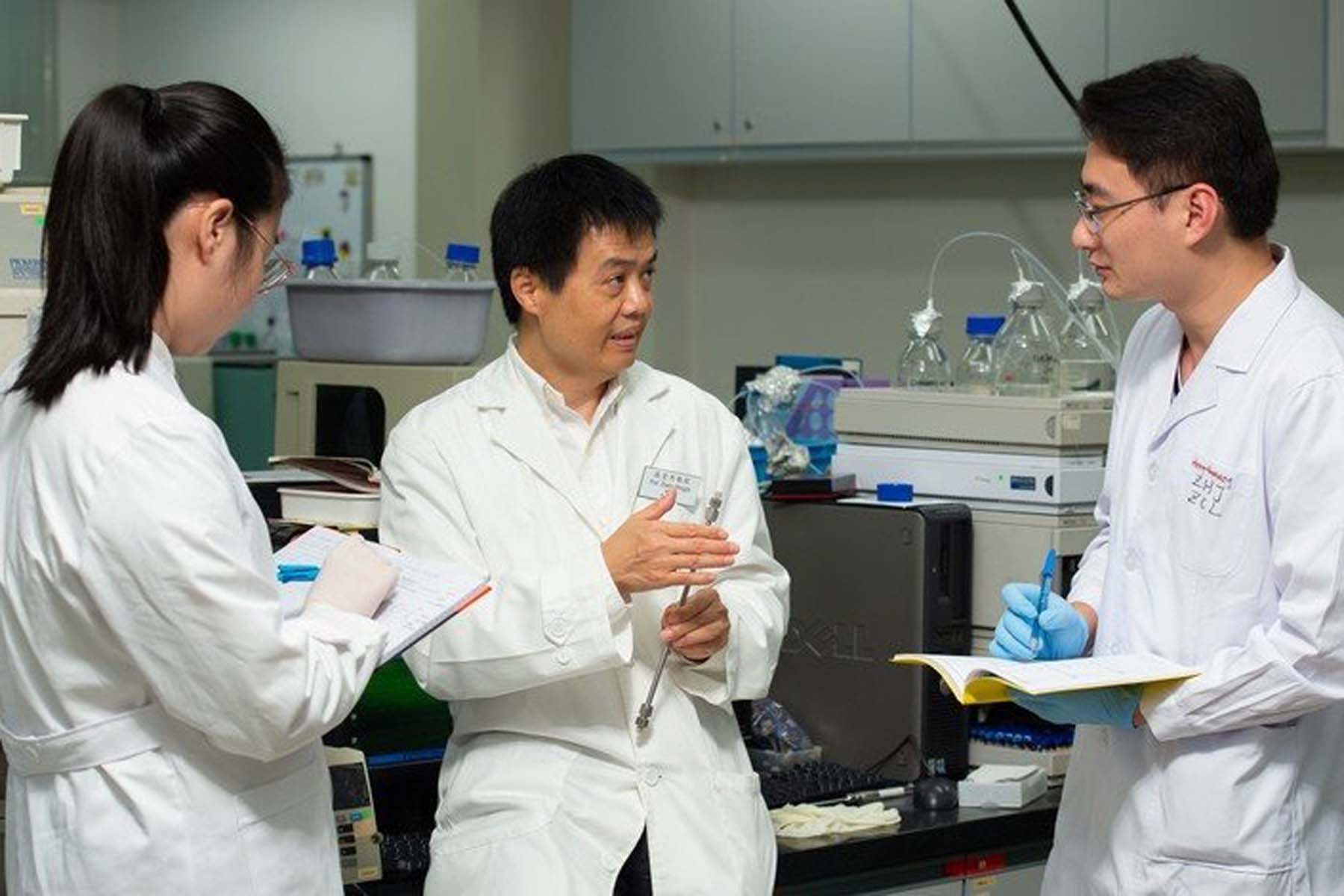
In the past, the study of Chinese medicine focused on the plants themselves. However, as modern science has progressed, research focus has been placed more specifically on the active ingredients in plants, their extraction and purification, as well as their applications. Professor Zhang pointed out that such a change has had a major impact on drug discovery. “It is very costly to extract natural products from herbal plants due to their minute quantities. Moreover, the number of active ingredients in a plant can reach hundreds even thousands. It is hard to know their precise biological functions without detailed chemical and biological analysis. Therefore, if we can identify the chemical composition of the active ingredients that correlate with disease, novel chemical and targeted therapeutics can be developed.” With this idea in mind, over the years Professor Zhang and his team have been collecting samples of herbal plants. A sample library containing more than 5,000 plant extracts has thus been established, providing invaluable resources for drug discovery and development. He said, “In case a new virus emerges unexpectedly, we can quickly identify potential antiviral molecules from this extensive library and accelerate their development as drug candidates.”
Integrating traditions and empirical research with international recognition
Since he joined HKBU’s School of Chinese Medicine in 2011, Professor Zhang has been advancing the integration of Chinese and modern medicine. “It is challenging because of the great complexity of Chinese medicine. Nonetheless, it is also a valuable opportunity for my team. We make use of a combination chemical and biological techniques, including high-throughput screening, to speed up drug development.” His team has successfully identified a variety of biologically active small molecule compounds and discovered some highly active lead compounds, such as terpenes, cyclopeptides and lignans. Through chemical synthesis and structural modification, the therapeutic potential of the therapeutic potential of these lead molecules could be further enhanced. These research findings have been acknowledged globally, helping Professor Zhang to secure research funding from multiple sources including the Research Grants Council and the Innovation and Technology Commission. In recognition of his influence in the fields of medicinal chemistry and biomolecular chemistry, Stanford University has listed Professor Zhang among the World’s Top 2% Scientists for four consecutive years, from 2021 to 2024.
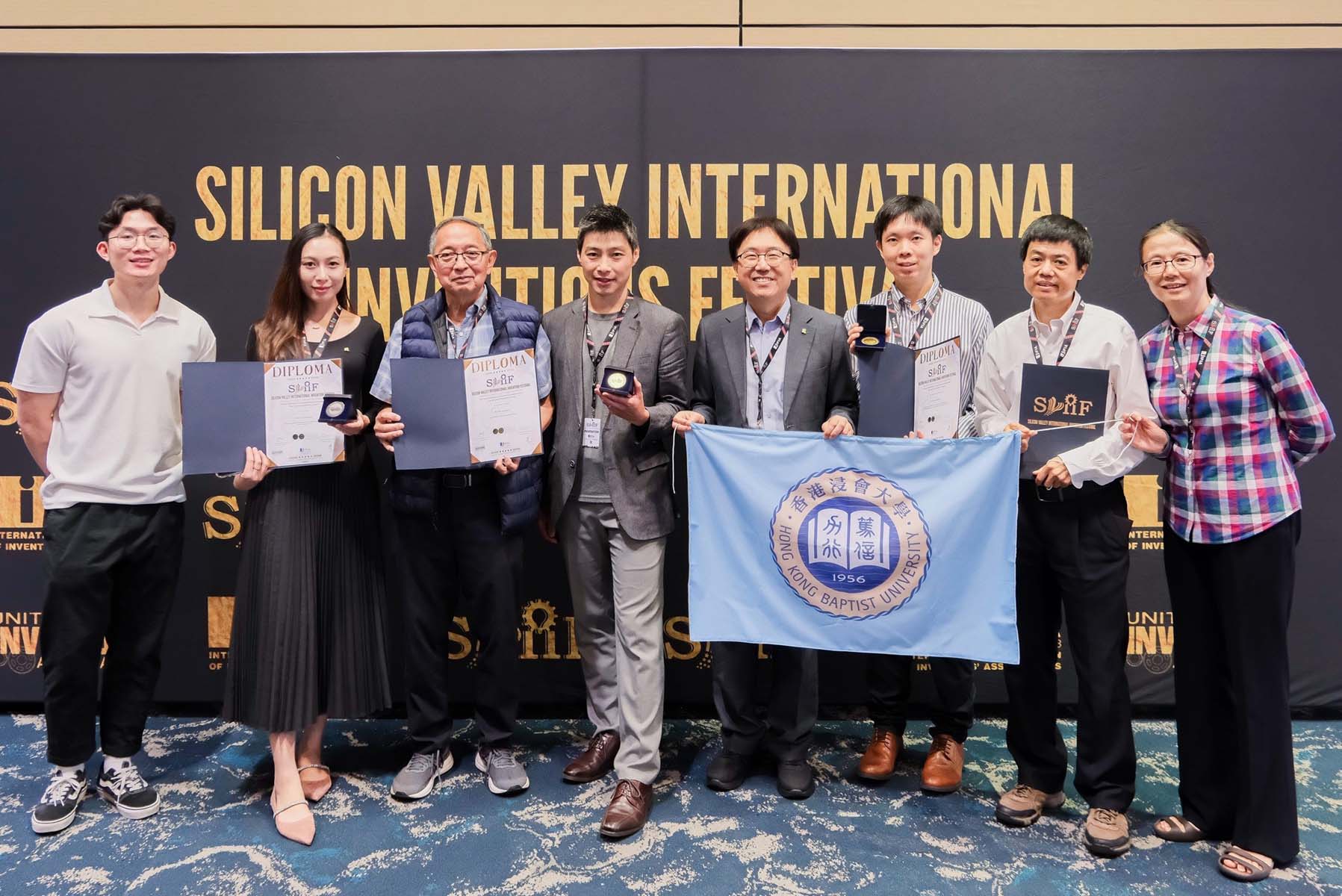
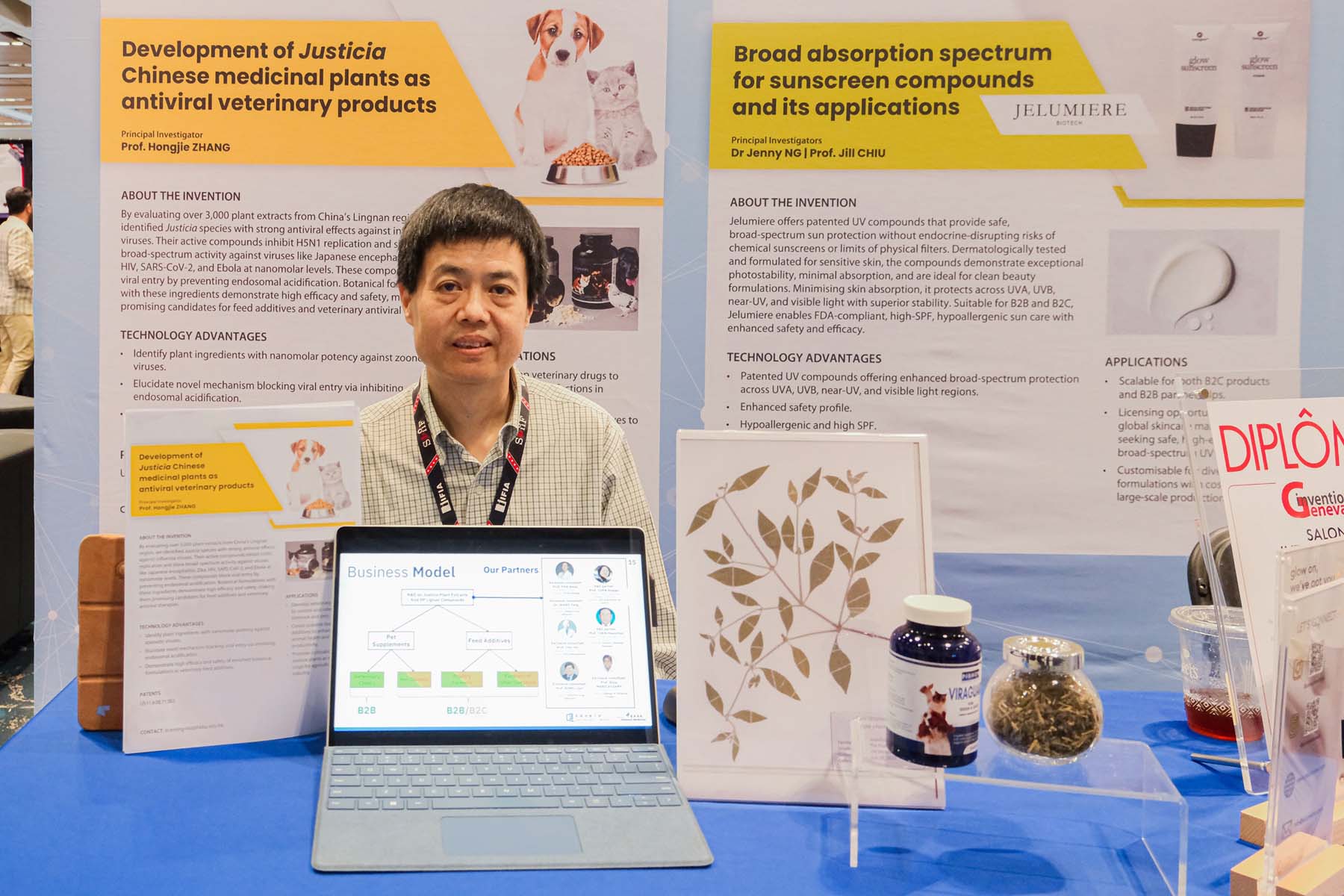
Significant advances have been seen in Professor Zhang’s research. One of his notable projects is the use of Justicia, a Chinese herb, in developing antiviral agents and feed additives for livestock and pets. After evaluating 3,000 plant extracts from the Lingnan region of the Chinese Mainland, his team found that certain compounds in Justicia can effectively contain viral replication in animals without causing damage to the host cells. These compounds display antiviral properties for use against a range of viruses, such as H5N1, Japanese encephalitis, Zika, HIV, SARS-CoV-2, and Ebola. He has thereby provided the pet and agricultural industries with safe choices for preventing infection. With this discovery, Professor Zhang and his team won a silver medal during HKBU’s debut at the Silicon Valley International Invention Festival 2025.
Developing Chinese medicine skincare products through commercialisation
Another exceptional research outcome of the work of Professor Zhang’s team has been to extend the use of Shihu to produce skincare products. Traditionally, Shihu has been used to treat coughing and to boost immunity. The team discovered that this orchid species contains DR2-type stilbenoid compounds, which not only reduce the generation of oxidative radicals but also inhibit melanin formation. In other words, the substance possesses skin whitening and anti-ageing functions, thus creating a new path for the application of Shihu.
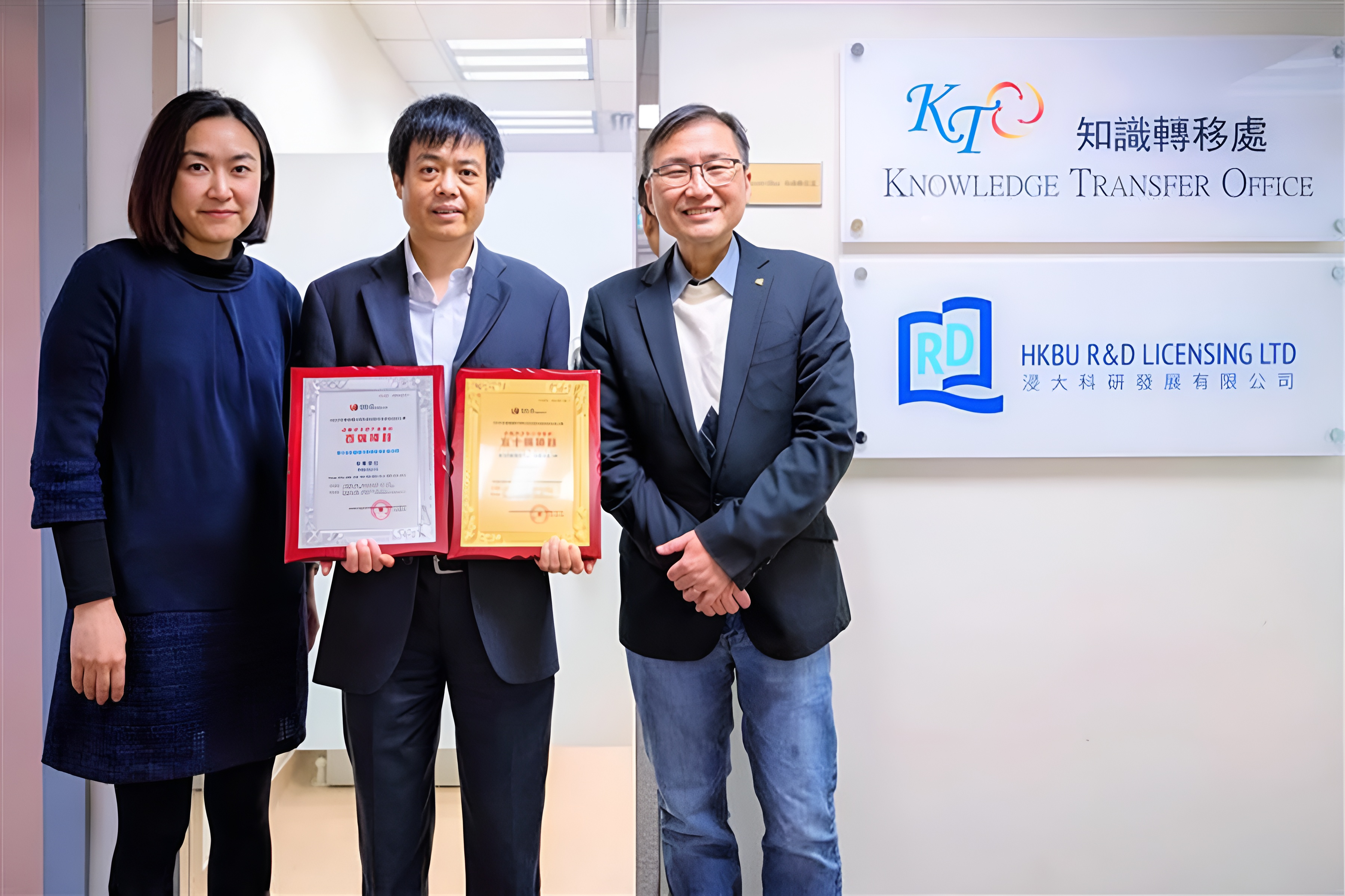
In 2016, Professor Zhang established Gihon Biotech, a start-up dedicated to developing Chinese medicine-based skincare products. In 2018, the enterprise launched the product line SHINE AND LAUD (S&L), with Shihu skincare products being the featured merchandise. The team has filed more than 10 patent applications related to DR2-type stilbenoids, and patents have been granted in the Chinese Mainland, Hong Kong, Taiwan, the United States, Japan, Singapore, and Malaysia.
Talking about his entrepreneurial experience, Professor Zhang said that he sought to motivate himself and his team by adopting the motto: Never stop innovating. “Innovation is the most important element for research. Filing a patent is the first step to preserve the rights of your innovation. Once your technology is protected, investors are more willing to sit down and talk to you.” He believes that for every scientist, the biggest obstacle is stereotyped thinking – the mindset being bound by scientific research. Therefore, a diverse and complementary team is crucial for starting a new business. Having teammates with varied talents can keep them open-minded and continue to strive for excellence. As a result, research findings can become applications for use in the real world.
Being the first to register skincare product ingredients
The Shihu research by Professor Zhang’s team has won a host of awards in international and local invention exhibitions. Further important progress was achieved in 2025: DR2-type stilbenoid was approved by the National Medical Products Administration to be registered as a new ingredient for skincare products. Gihon Biotech is the first Hong Kong enterprise that has achieved this milestone. With such approval, skincare products containing this patented substance can now enter the mainland market, to be produced and sold in this massive consumer base.
The potential of DR2-type stilbenoids do not end here. Professor Zhang and his team are planning to apply this type of substances to the medical field. It is found that DR2-type stilbenoids show prospects for managing health conditions related to fibrosis, such as pulmonary fibrosis, liver cirrhosis, and skin ageing. Moreover, DR2-type stilbenoids can lower glucose levels. It may also serve as a complementary therapy for type 3 diabetics.

Serving society is the ultimate goal of research
Appointed as the Cheung On Tak Endowed Professor in Chinese Medicine, Professor Zhang expressed his heartfelt gratitude to the generous support received from the Cheung On Tak Charity Foundation. In particular, he thanked Mr. Cheung On Tak and his family for supporting the internationalisation of Chinese medicine over the years. “Their backing not only advanced the academic development of the School of Chinese Medicine but also contributed to people’s health worldwide. With the research funding, we will explore more natural compounds and help advance the modernisation of Chinese medicine.” This endowed professorship is also an enormous source of encouragement to the team. Professor Zhang continued, “Getting our findings published is not our destination. Our ultimate goal is serving society, bringing real contributions to the well-being of humankind.”
Nurturing future leaders of Chinese medicine
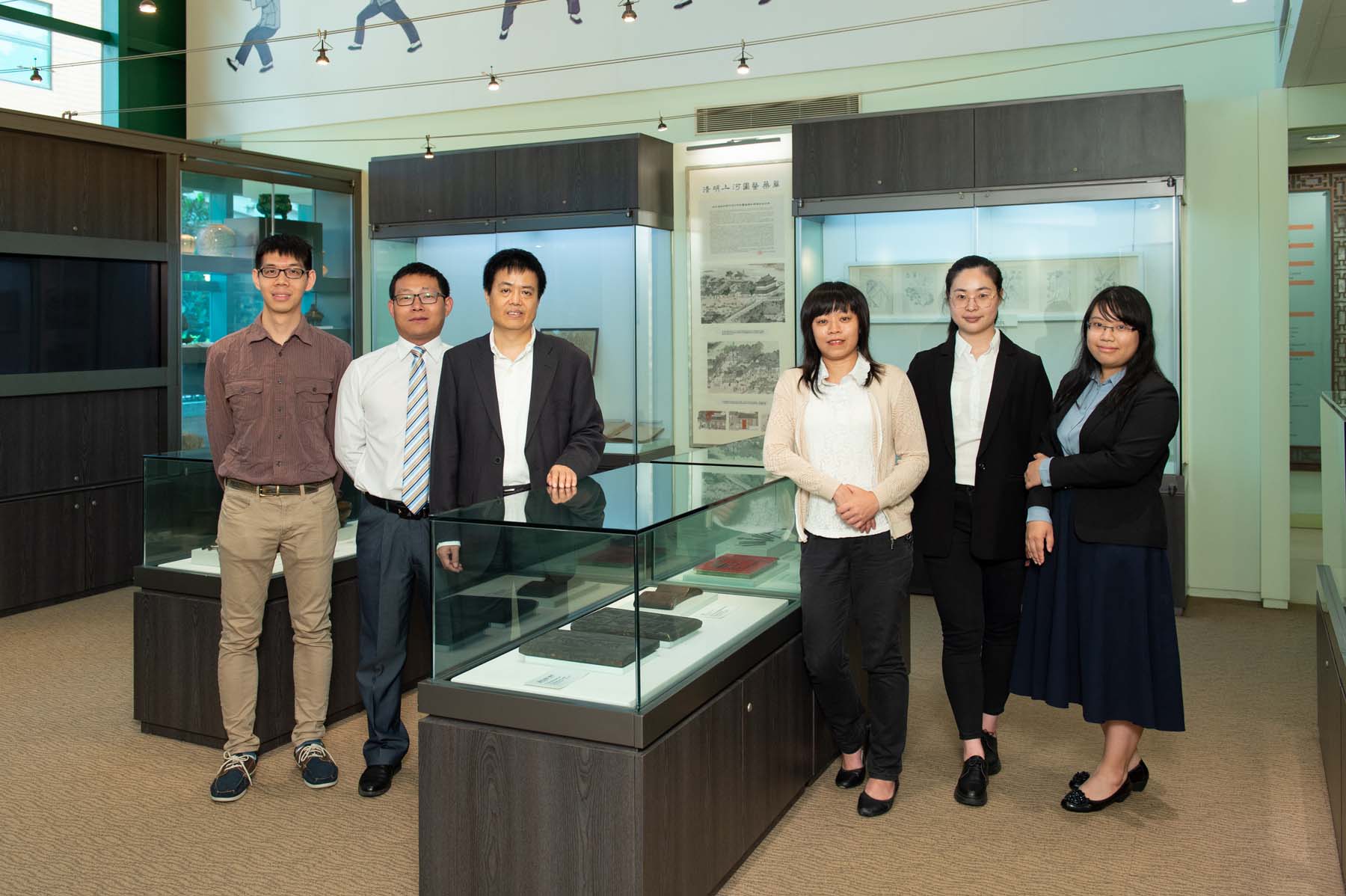
Professor Zhang plays multiple roles in HKBU – as a researcher, a chair professor, and an entrepreneur. “Interacting with students always gives me inspiration. The questions they ask sometimes become the starting point of our research,” he said with a smile. As the School’s Associate Dean (Teaching and Learning), Professor Zhang places great emphasis on nurturing future talents. He believes that Chinese medicine talents must possess cross-disciplinary knowledge and literacy. They need to be familiar with both Chinese medicine theories and modern scientific techniques and also be open to collaborations and novel ideas. In this regard, he adopts a question-oriented mode of teaching, cultivating students’ problem-solving skills and encouraging them to explore the unknown. “The key to research is ‘standing tall with your feet on the ground’ – having a vision at the forefront of science but at the same time being realistic when solving problems.”
Professor Zhang perfectly exemplifies this way of thinking. He is pragmatic and quiet, choosing to move towards his target calmly. “Chinese medicine is a treasure of Chinese culture, embodying millennia of wisdom. Through scientific methodologies, we aim to identify the chemical profiles and bioactive compounds of medicinal plants, thereby providing scientific grounds for traditional therapies, unlocking the mysteries of Chinese medicine, and contributing to healthcare development worldwide.”
*This interview was published in April 2026.
Professor Zhang Hongjie
- Associate Dean (Teaching and Learning) and Chair Professor, School of Chinese Medicine, HKBU
- Cheung On Tak Endowed Professor in Chinese Medicine
- World's Top 2% Scientists by Stanford University (2021-2024)
- Fellow, HKBU-UIC Joint Institute of Research Studies
- President's Award for Outstanding Performance in Scholarly Work (2017)
- Adjunct Professor, The Key Laboratory of Chemistry for Natural Products of Guizhou Province and Chinese Academy of Sciences (2010-present)
- PhD in Phytochemistry, Kunming Institute of Botany, Chinese Academy of Sciences (1994)
- Postdoctoral Researcher in Natural Products Chemistry, University of Illinois Chicago
- Co-Founder and Director, Gihon Biotech Limited
- Co-Founder and Director, Pishon Biotech Limited
Awards and achievements
- Gihon Biotech is Hong Kong's first enterprise that received approval from the National Medical Products Administration to have its patented substance registered as a new ingredient for skincare products. (2025)
- His project "Development of Justicia Chinese Medicinal Plants as Antiviral Veterinary Products" won Silver Medal at the Silicon Valley International Invention Festival (2025)
- His project "Health products for anti-fibrosis" won Bronze Medal at the 49th Geneva International Exhibition of Inventions. (2024)
- Gihon Biotech Limited's Shihu skincare products won Silver Medal at the 7th China (Shanghai) International Invention and Innovation Exhibition. (2024)
- His project "Skin Whitening and Anti-ageing Skin Care Product" won Silver Medal at the 47th Geneva International Exhibition of Inventions. (2022)
- His patented invention won the Excellence Award in the strategic pillar enterprise category of the Guangdong-Hong Kong-Macao Greater Bay Area High-value Patent Portfolio Layout Competition. (2022)
- Over 40 patents have been granted.
- More than 190 peer-reviewed journal articles have been published.